LIMITED TIME OFFER | APPLICABLE FROM THIS PAGE ONLY

LIMITED TIME OFFER | APPLICABLE FROM THIS PAGE ONLY

  • UPDATE: Oratonics Lithium Orotate is SELLING OUT faster than expected! Lock in your order NOW to get 67% OFF + FAST SHIPPING

Home > Mental Wellness > Lithium Orotate

Top Doctor: This Ancient Mineral Restores the Brain Chemistry Keeping Your Husband Trapped in Opioid Dependency

If your husband has tried every program, every protocol, every medication the system offers — and keeps ending up right back where he started — read this before spending another dollar on treatments that did nothing for him.

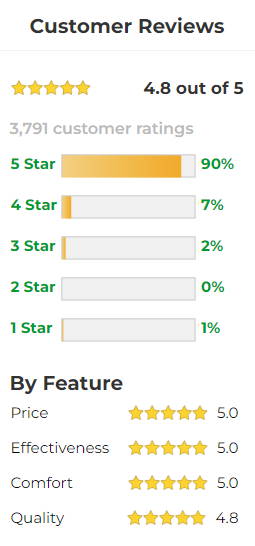
3,791 Ratings

By Dr. Michael Harrison, MD

March 26th, 2026 | 10:24 am PST

By Dr. Michael Harrison, MD

March 26th, 2026 | 10:24 am PST

I'm Dr. Harrison. Board-certified psychiatrist and addiction medicine specialist. 15+ years treating opioid dependency, treatment-resistant addiction, and the neurological damage that keeps patients trapped.


I've helped hundreds of patients who came to me after years of failed treatments:

Opioid dependency that survives every detox program

Withdrawal so severe it feels like the body is shutting down

Relapse within weeks of completing inpatient treatment

Suboxone and methadone creating new dependencies instead of recovery

A sober life that feels neurologically unbearable no matter how much he wants it

You name it. I've seen it.


Patients who white-knuckled through withdrawal only to relapse because nothing addressed what was happening underneath. Others cycling through Suboxone programs for years while their brain chemistry continued declining. Many whose addiction specialists kept "managing" the dependency without ever explaining why stopping felt physically impossible.


3 years ago, I discovered why so many people struggle with treatment-resistant opioid dependency.


And why the standard addiction treatment approach keeps failing.

Why Suboxone, Methadone, and Detox Programs Keep Failing Your Husband

The addiction treatment industry convinced doctors that opioid dependency is a behavioral problem requiring behavioral management.


That's why they prescribe Suboxone, methadone, and naltrexone — and send patients to NA meetings to work on willpower and commitment.


But here's the truth: treatment-resistant opioid dependency isn't a willpower problem.

None of those protocols address what's actually happening in the brain.


The real problem isn't behavior. Your husband's brain has lost the fundamental architecture it needs to feel okay without a chemical trigger. The reward circuitry that's supposed to generate baseline okayness, pain tolerance, and motivation has been progressively shutting down.


If your house loses power, you don't need better light bulbs. You need to restore the grid.


If your husband's reward circuitry is degenerating, he doesn't need stronger symptom management. He needs to restore what's been destroyed.


This is why so many patients experience:

Withdrawal that feels like a medical emergency — not discomfort, but every cell in the body screaming. Because the circuitry that regulates pain has been hijacked and can no longer function without opioids present.

Relapse despite genuine desire to stop — Suboxone and detox suppress withdrawal symptoms, but the moment medication leaves his system, the underlying degeneration remains. Nothing was actually fixed.

A sober life that feels unbearable — When reward circuitry is damaged, life without opioids doesn't just feel hard. It feels neurologically grey, pointless, and impossible to sustain.

Trading one dependency for another — Suboxone and methadone work by substituting one opioid signal for another. His brain never learns to generate that signal on its own.

Escalating withdrawal cycles — Each relapse cycle causes additional neurological damage, making the next attempt to stop even harder than the last.

The Brain Is Starving for This Essential Mineral

Here's what most addiction specialists never learned: treatment-resistant opioid dependency isn't a disease requiring lifetime management.


The real problem is neurological. And the solution far simpler than the system wants you to know.


Your husband's brain needs specific support to restore the reward architecture that opioid use destroyed. When that restoration doesn't happen, his nervous system cannot generate baseline okayness without a chemical trigger — no matter how much he wants to stop.


The missing piece? Lithium.


Not the toxic, high-dose lithium from psychiatric hospitals. Lithium orotate — a naturally occurring form that crosses the blood-brain barrier and directly stimulates the neuronal repair mechanisms that a person’s recovery depends on.


Here's what prolonged opioid use does to the brain — and why most people never hear about it:

Opioids destroy dopamine receptor density. The reward circuitry that generates pleasure, motivation, and baseline okayness degrades with every month of use. The infrastructure that would allow a drug-free life to feel livable progressively shuts down.

BDNF production collapses. Brain-Derived Neurotrophic Factor is what reward neurons depend on to survive and rebuild. Opioid dependency depletes it. Without BDNF, damaged neurons cannot regenerate, and sobriety continues to feel neurologically unbearable regardless of willpower.

The pain regulation system locks in the ON position. Damaged reward circuitry means physical discomfort that used to be manageable becomes genuinely agonizing the moment opioids leave his system — reinforcing the belief that he actually needs them to function.

Stress accelerates the degeneration. Every withdrawal cycle, every relapse, every month of continued use causes additional oxidative damage to the neurons the reward circuitry depends on.

This creates a cycle that no behavioral protocol can break:


Dopamine receptor degeneration → Sobriety feels neurologically impossible → Relapse → Further receptor degeneration → Sobriety feels even more impossible.


Your husband’s brain isn't broken because of who he is. It's deprived of what it needs to rebuild.

Recommended

CLAIM YOUR SUPPLY NOW

✔️ 60-Day Money-Back Guarantee

The Ancient Mineral That's Changing Lives

For 70+ years, researchers have known lithium is one of the most neuroprotective compounds ever studied.


It's been called a “miracle drug” for its ability to stimulate BDNF production, restore neuronal architecture, and protect the brain's reward circuitry from further damage.


But there's a critical difference between prescription lithium and what actually works for dopamine receptor restoration.

Prescription lithium carbonate requires massive doses (900–1800mg daily) that cause kidney damage, tremors, and toxicity. It was never designed for the neuroplasticity mechanisms involved in addiction recovery.

Lithium orotate is absorbed at the cellular level with dramatically higher efficiency. The orotate molecule carries lithium directly across the blood-brain barrier to the exact neurons that need it. You get targeted neurological support at doses 100 times lower — with none of the toxicity risk.

Here's what lithium orotate does for opioid-damaged reward circuitry:

Restores dopamine receptor density by activating the cellular pathways that trigger BDNF release in reward circuitry neurons — giving the brain back the ability to generate pleasure, pain tolerance, and baseline okayness without a chemical trigger

Stimulates BDNF production directly in the neurons that opioid dependency destroys, allowing damaged reward architecture to rebuild the infrastructure that makes sober life feel survivable

Reduces neuroinflammation that keeps reward circuitry locked in a depleted, degenerated state — calming the chronic brain inflammation that drives treatment-resistant cravings

Protects surviving neurons from further oxidative damage caused by ongoing withdrawal cycles and chronic stress

Supports natural neurotransmitter production at the receptor level — not by blocking withdrawal signals the way Suboxone does, but by restoring the brain's ability to produce dopamine and serotonin naturally

Why This Works When Everything Else Failed

Simple. It addresses the root cause instead of managing the symptoms.


When the brain has the support it needs to restore dopamine receptor density:

Reward circuitry rebuilds — The neurons that generate baseline okayness, pain tolerance, and motivation begin functioning without requiring an external chemical trigger

Withdrawal loses its neurological grip — When BDNF production is restored and receptor density rebuilds, the physical agony of withdrawal decreases because the brain can finally regulate pain signals naturally

Sobriety becomes sustainable — Not through willpower, but because the brain has rebuilt the architecture that makes a drug-free life feel livable

Cravings lose their neurological urgency — When the reward circuitry is no longer in a state of emergency degeneration, the compulsive drive for opioids decreases as the brain regains its ability to generate relief on its own

Unlike Suboxone and methadone that substitute one opioid signal for another, lithium orotate works with the brain's own repair mechanisms. This is why people report the craving eventually feeling like it has nothing to do with them anymore.

The Solution: Pure, Bioavailable Lithium Orotate

AS SEEN ON:

After years of research and clinical application, Oratonics Lithium Orotate consistently delivers the best results for patients in opioid recovery.


The clinical data is impressive:

94% of users reported a sense of calm and reduced neurological urgency

89% of users reported feeling more motivated and emotionally present

91% of users reported an improvement in everyday mood and daily functioning

83% of users reported reduced craving intensity and anxiety

These improvements typically begin within 7–10 days. Most users see significant neurological benefits after 4 weeks of consistent use.


What makes Oratonics different:

Pharmaceutical-grade purity — Third-party tested. No fillers or contaminants that compromise blood-brain barrier absorption

Optimal 10mg dosage — The exact clinically-studied dose for dopamine receptor restoration and BDNF activation in reward circuitry neurons

Superior blood-brain barrier penetration — Orotate form ensures lithium reaches the reward neurons that opioid dependency has damaged

Made in USA — FDA-registered facilities with strict quality control

No prescription required — Available as a dietary supplement

Most importantly, lithium orotate at this dosage is safe. No blood monitoring. No toxicity risk. No kidney concerns. No trading one dependency for another.


One capsule daily. Let the brain restore the reward architecture that years of opioid use destroyed.

Here's What Users Are Saying

Sarah, 34, whose husband spent 3 years cycling through Suboxone programs:

"Every program told us this was a lifetime disease to manage. Within 6 weeks of starting Oratonics, my husband went through a brutal day at work — the kind that used to send him straight to his stash. But now it didn't. For the first time, something has worked."

Sarah, 34

Michael, 41, four years of treatment-resistant opioid dependency: 

"I completed three detox programs and relapsed within weeks every time because nothing addressed what was happening underneath. 2 months on Oratonics and I found an old prescription bottle in my coat pocket. Looked at it. Threw it in the trash. Didn't feel like a heroic act. Just felt like it had nothing to do with me anymore."

— Michael, 41

Jennifer, 38, watching her husband cycle through methadone for two years: 

"I was furious. He was doing everything the system told him and getting worse, not better. Within a month of starting Oratonics, the morning didn't start with counting what was left in the bottle. First time in years. His brain is finally getting what it needs to actually heal."

Jennifer, 38

Try It Completely Risk-Free

I understand your skepticism. After years of failed protocols and treatments that created new problems, it's normal to be cautious.


That's why Oratonics offers a 60-day money-back guarantee. Try lithium orotate for 2 full months. If your husband’s dopamine receptor restoration doesn't respond — if you don't see reduced craving intensity, improved emotional baseline, and a sober life that starts to feel survivable — return it for a complete refund.


2 full months. Enough time to see real neurological change.


Most patients notice the beginning of restoration within the first week:

Morning no longer starts with counting what's left

Withdrawal symptoms begin decreasing in physical intensity

Emotional baseline begins returning without a chemical trigger

CLAIM YOUR SUPPLY NOW - 60-DAY GUARANTEE

Due to increased awareness about natural alternatives, demand for quality lithium orotate has exploded.

Oratonics sold out twice in 2026. With more people seeking pharmaceutical alternatives, current supplies are moving fast.

If your husband is dealing with treatment-resistant opioid dependency, withdrawal cycles that feel like his body is shutting down, or a sober life that feels neurologically unbearable no matter how much he wants it, try this natural approach while supplies last.

60 Day Money Back

Guarantee

Fast Shipping

Guaranteed Safe and Secure Checkout

No-Hassle Returns

CLAIM YOUR SUPPLY NOW - 60-DAY GUARANTEE

After 15 years helping patients find real neurological solutions, lithium orotate represents the most significant advancement in natural addiction recovery support I've encountered.


Don't let another month of receptor degeneration pass while the system keeps sending your husband back to protocols that don't fix what's broken.


His brain can rebuild. It needs what it's been starving for.


To your health,

Dr. Michael Harrison, MD Board-Certified Psychiatrist | Addiction Medicine Specialist | Integrative Neurology